Not every operation faces the same site conditions, which is why planning matters.
Before equipment moves in or crews head out, teams need a clear understanding of vegetation growth, wildlife presence, access constraints, environmental risk, and the regulatory requirements that govern how and when work can happen.
Just as important are each client’s site-specific health, safety, and operational requirements. In many cases, these standards are even more stringent than government regulations and directly shape how work is planned and executed.
Traditional ground-based methods remain essential. They are the backbone of habitat and vegetation work. Drones are not a replacement. They are a tool designed to integrate into existing workflows, complement proven practices, and enhance what teams already do well.
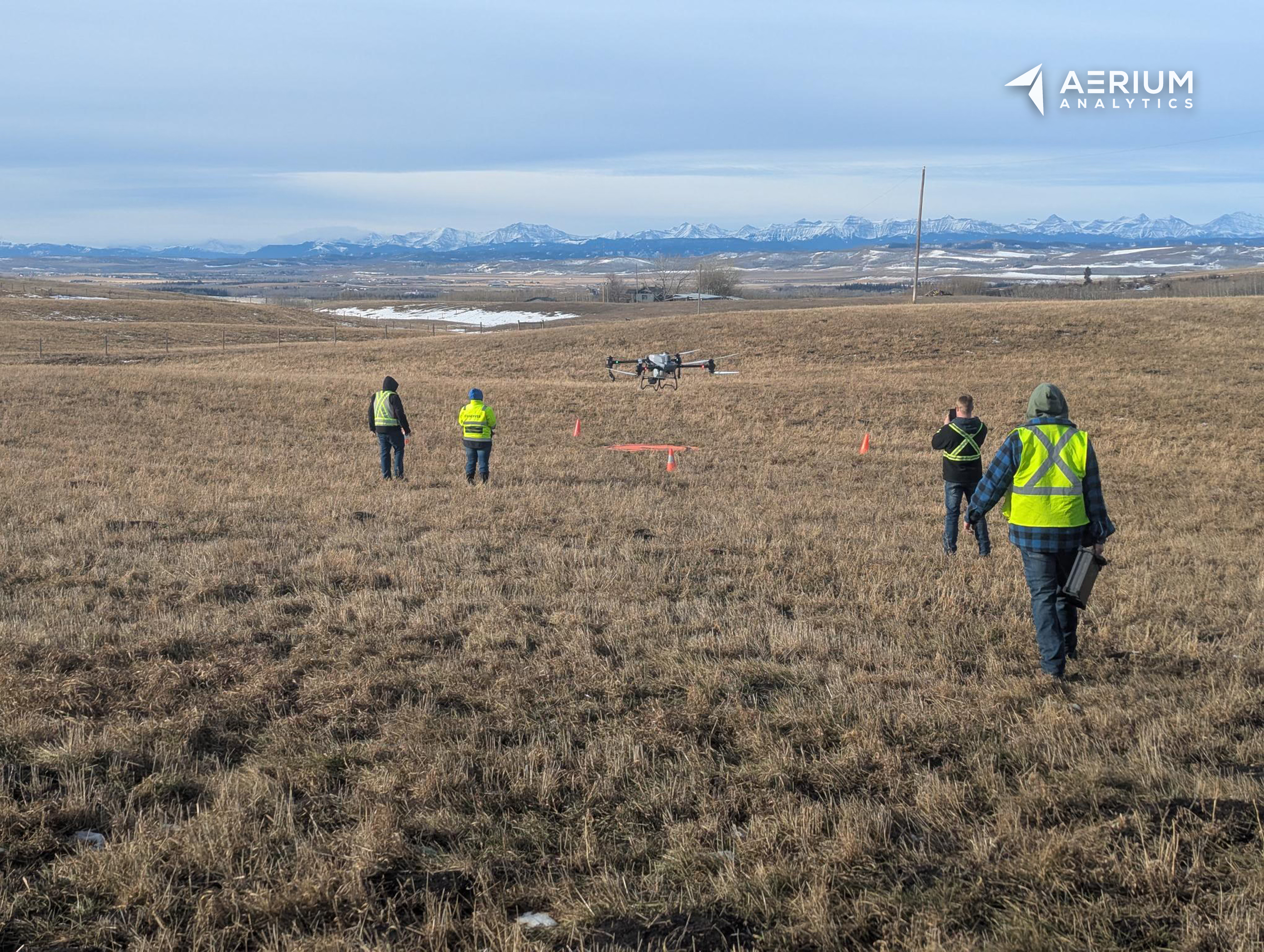
Picture 1: Drone landing during vegetation management operation/ Credits: AERIUM Analytics 2026 all rights reserved
When used intentionally, drone technology supports operations by improving visibility early in the planning process. High-resolution mapping, repeatable surveys, and site-specific data allow teams to make informed decisions, prioritize effort, and deploy ground crews where their expertise has the greatest impact.
In practice, this supports:
- Early identification of vegetation and potential habitat
- Targeted treatment through prescription mapping
- Safer access to steep, wet, or remote areas
- Reduced application and exposure to herbicides and hazardous terrain
- Robust data collection and comprehensive documentation for interim and final reporting and compliance tracking
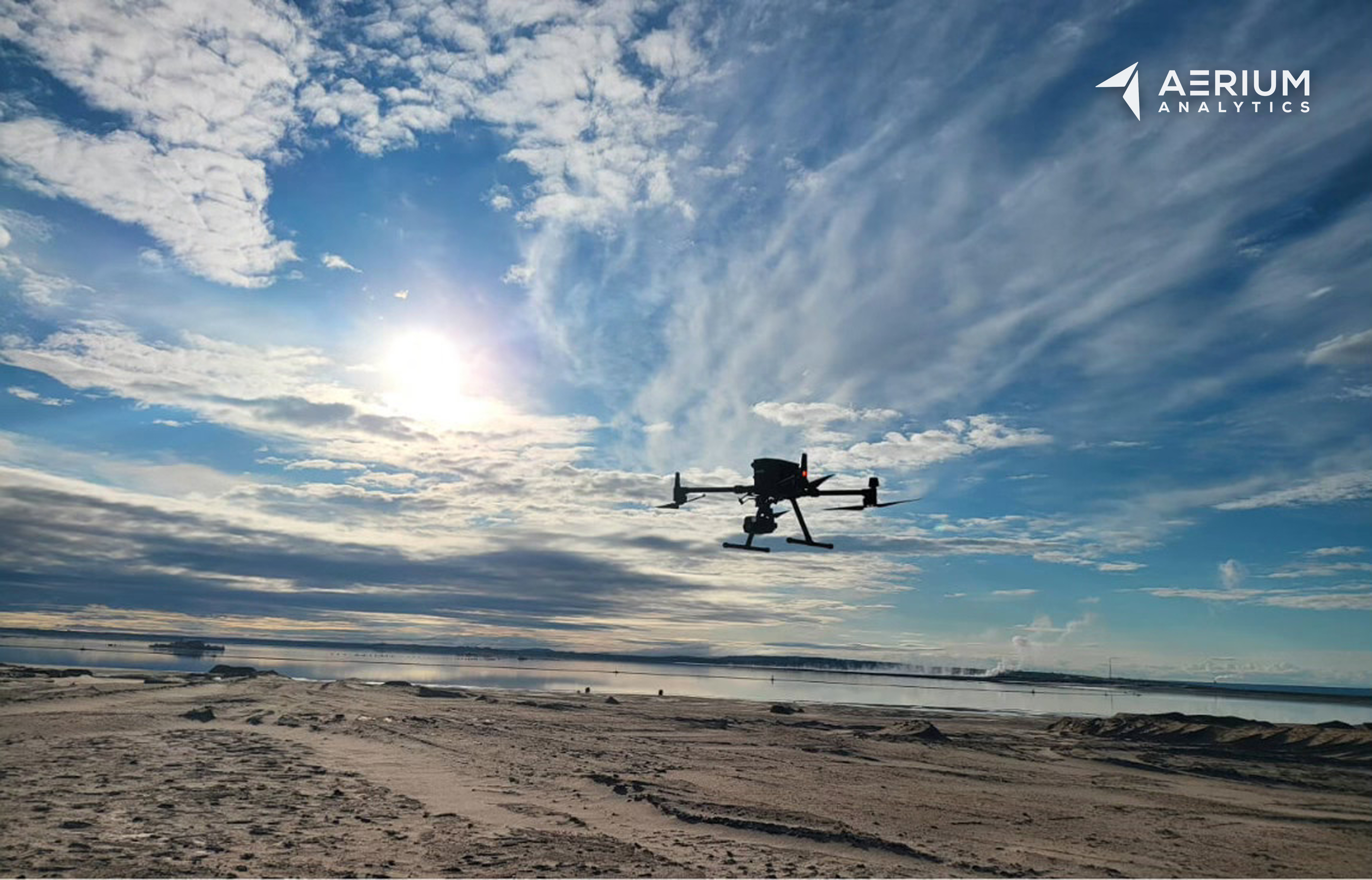
Picture 2: Drone performing data capture/ Credits: AERIUM Analytics 2026 all rights reserved
The same integrated approach applies to wildlife management. Drone-assisted surveys and monitoring help teams understand activity patterns early, adjust plans accordingly, and reduce unnecessary disturbance, while keeping biologists and field crews central to decision-making.
Some may view this approach as disruptive. In practice, the disruption it’s about enhancing legacy processes through careful integration into existing workflows. The intent is not to replace institutional knowledge, but to reinforce it.
Strong outcomes come from understanding the site, respecting established practices, and choosing the right tools at the right time. When drones are integrated this way, they don’t replace field work, they enhance it.
If you’re exploring how drone integration could support your operation, let’s connect:
Follow AERIUM Analytics on Linkedln to keep up with the latest stories from the field and the people shaping the future of drone operations.
You can also Explore AERIUM’s Competitive Advantage Here!